Planning a Long Road Trip: Essential Do’s and Don’ts
The road keeps changing but your readiness must remain steady.
A long road trip is anticipation, intent and belief in the journey ahead rather than the distance. The road may offer surprises, conditions may change, and terrain may test endurance. While you can’t control what lies ahead, you can prepare what carries you through it.
Tyres bear every kilometre of load, heat and uncertainty. They are the quiet force that keeps momentum steady and confidence intact.
Give your tyres the attention they deserve as a commitment to uninterrupted movement with these precautionary measures:
DO’s
1. Do Check Tyre Pressure Before Departure.
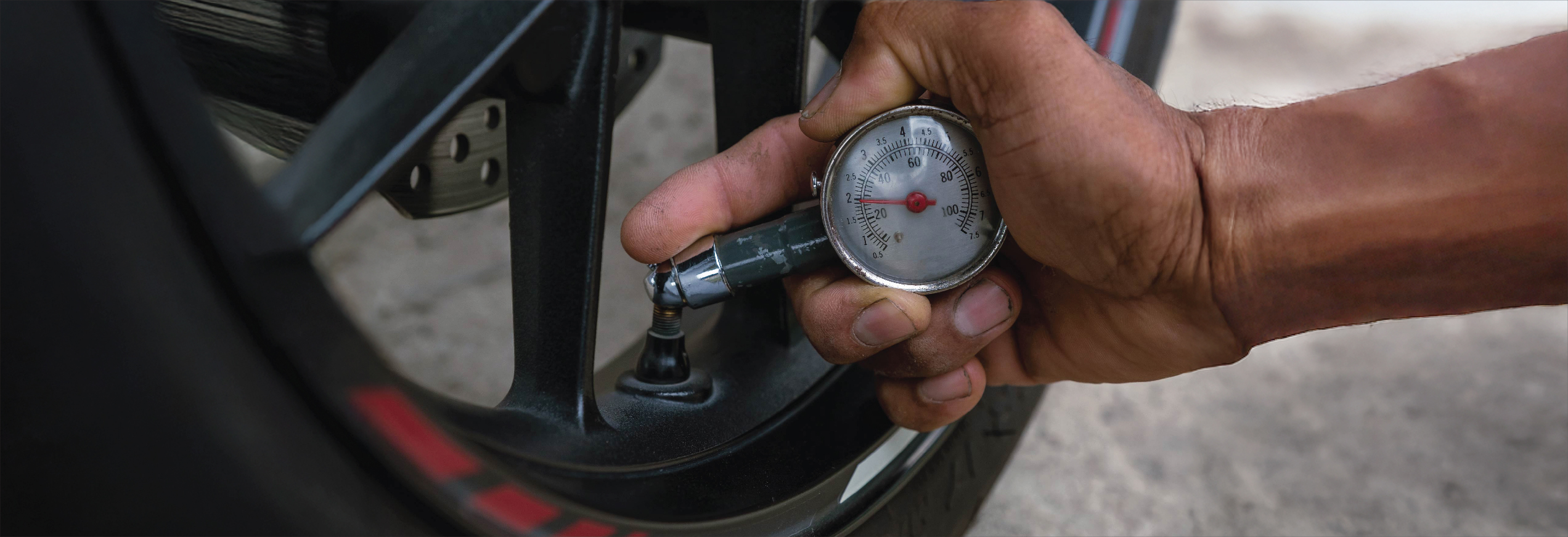
Check inflation pressure when tyres are cold, ideally after the vehicle has been stationary for at least 3 hours or driven less than 1.6 km at moderate speed. Correct pressure supports stability, fuel efficiency and tyre longevity.
2. Do Follow Manufacturer-Recommended Pressure Levels
Always refer to the vehicle owner’s manual or tyre placard for recommended pressure values, including for the spare tyre.
3. Do Inspect Tread Depth Carefully
Ensure tread depth is above 1.6 mm. Use a tread depth gauge and look for uneven or patchy wear that may affect grip and braking performance.
4. Do Rotate Tyres Before Long Journeys
Tyre rotation every 5,000–10,000 km promotes even wear and ensures tyres perform as designed over long distances.
5. Do Maintain Wheel Alignment and Balancing
Proper alignment ensures tyres remain parallel and perpendicular to the road, improving traction, handling and fuel efficiency.
6. Do Carry a Spare Tyre and Essential Tools
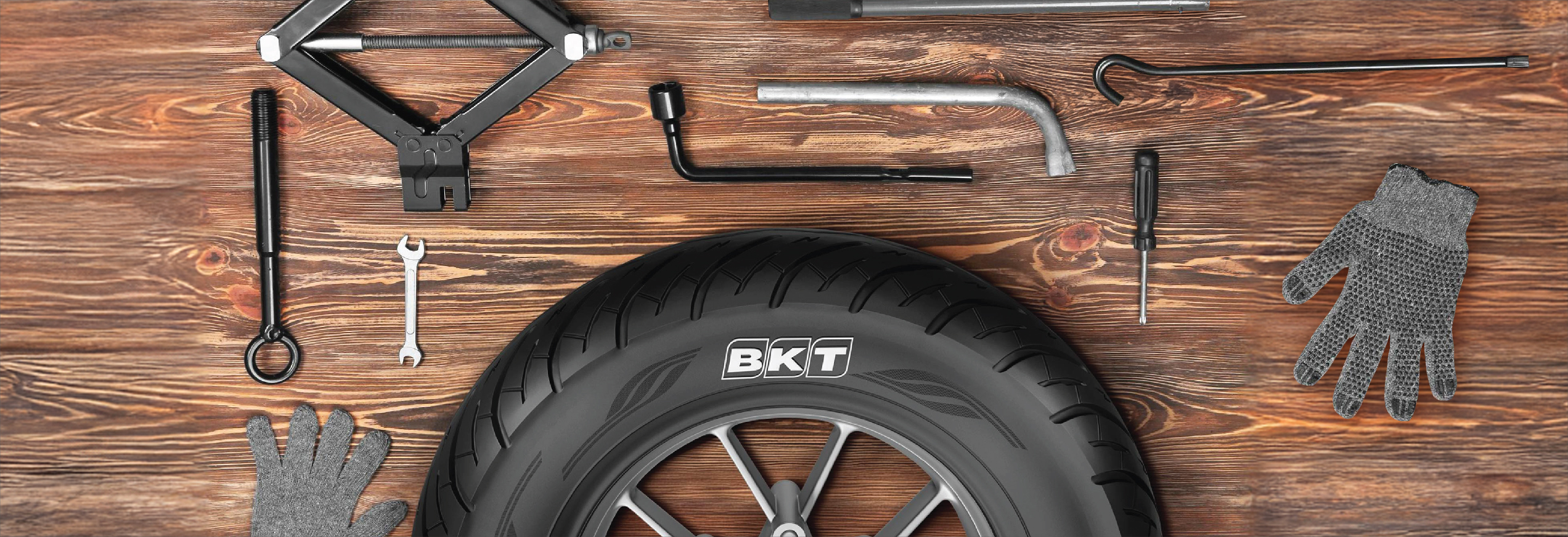
A spare tyre, jack, wrench, tyre pressure gauge and sealant form a safety net that keeps journeys moving even when the unexpected occurs.
7. Do Test Brakes Before Leaving
Ensure the brake pedal feels firm and responsive. Check brake fluid levels and address unusual noises or delayed stopping before starting a long journey.
DON’Ts
1. Don’t Drive with Under-Inflated or Over-Inflated Tyres
Incorrect pressure increases wear, affects handling and raises the risk of failure, especially under long-distance heat and load.
2. Don’t Overload the Vehicle
Exceeding the vehicle’s maximum load rating places excessive stress on tyres and compromises ride comfort, handling and fuel efficiency.
3. Don’t Assume Tyres are Fit Just Because They Look Fine
Ageing, internal damage or worn indicators often go unnoticed without proper inspection.
4. Don’t Postpone Tyre Replacement When Signs Appear
Long journeys amplify small problems. Delays increase the risk of disruption when conditions are least forgiving.
5. Don’t Travel without Emergency Support within Reach
Save emergency and roadside assistance numbers on your phone and carry a written backup. In India, dial 112 for emergency services. Don’t let uncertainty find you unprepared.
Built for the Long Way Ahead
When the journey stretches on, confidence should never thin out.
Because with the right preparation, movement stays assured.
BKT Tyres
Elevate your drive